The Essential Guide to Cement Silos: Importance, Types, and Innovations
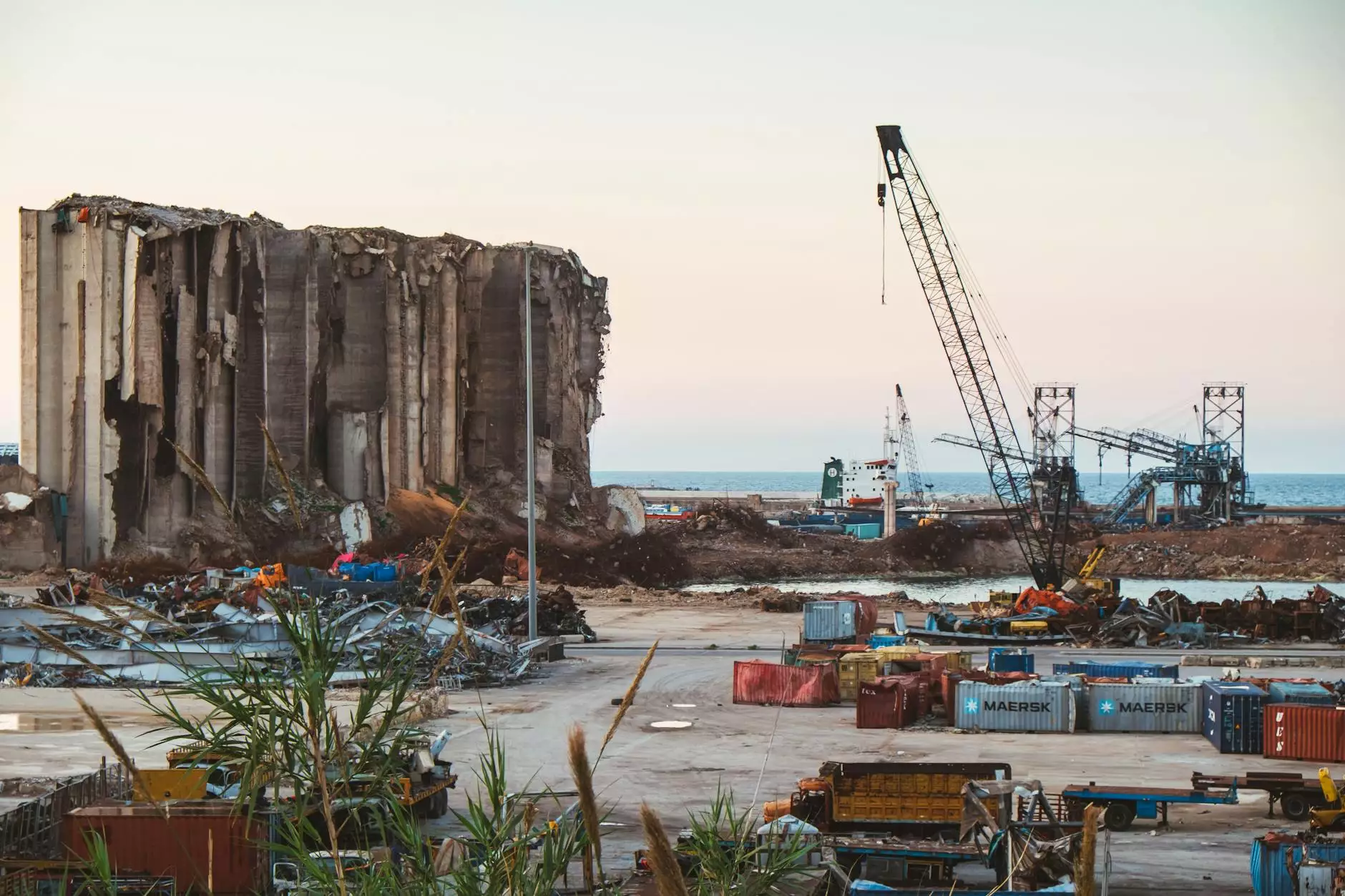
Cement silos are an integral part of the construction industry, serving as vital storage facilities for cement, which is a primary material in concrete production. As businesses like Polygonmach thrive in providing innovative solutions in sectors like Electronics and 3D Printing, understanding the importance and functionality of a cement silo becomes increasingly relevant. This comprehensive article delves into the significance of cement silos, their types, and the latest industry innovations that optimize their use.
What is a Cement Silo?
A cement silo is a storage compartment specifically designed for bulk cement storage. Its primary function is to safeguard cement from external elements and keep it dry for consistent usage. Made from durable materials like steel or reinforced concrete, cement silos are built to withstand the harsh conditions of the construction site while ensuring the quality of the stored product.
The Importance of Cement Silos in Construction
Cement silos play a critical role in various aspects of construction projects. Here are several key reasons highlighting their importance:
- Storage Efficiency: They allow for large quantities of cement to be stored on-site, reducing the need for frequent deliveries.
- Quality Preservation: By protecting the cement from moisture and contamination, silos help maintain its quality and prevent spoilage.
- Cost-Effectiveness: Storing cement in bulk can significantly reduce costs associated with purchasing smaller quantities over time.
- Operational Continuity: Having a ready supply of cement enables ongoing construction without delays caused by supply chain interruptions.
Types of Cement Silos
Understanding the varied types of cement silos available helps businesses make informed decisions tailored to their specific needs. Here are the main types of cement silos:
1. Vertical Silos
Vertical silos are the most common type found in the industry. They are designed to store cement in a vertical orientation, maximizing space and making efficient use of site layout.
2. Horizontal Silos
These silos are situated horizontally and may be suitable for sites where height is not an issue and there is a need for easy access and maintenance.
3. Mobile Silos
Mobile silos offer unparalleled flexibility as they can be relocated as projects progress. Ideal for temporary sites, they can provide the necessary storage without the permanence of fixed structures.
4. Cement Storage Bins
These are more compact than traditional silos and can be used in locations where space is at a premium. They are efficient for smaller projects and can often be mounted on trailers for mobility.
Innovations in Cement Silos
As technology advances, so does the design and functionality of cement silos. Here are some noteworthy innovations:
1. Smart Silos
Incorporating IoT (Internet of Things) technology, smart silos are equipped with sensors that monitor the conditions within the silo. These sensors help track inventory levels, temperature, and humidity, ensuring optimal storage conditions and automatic alerts for maintenance.
2. Enhanced Material Design
Modern cement silos utilize advanced materials and coatings that enhance durability and resistance to corrosion, ensuring a longer life span and reduced maintenance needs.
3. Automation & Robotics
The introduction of automated systems for loading and unloading cement improves operational efficiency significantly, reducing labor costs and the risk of human error.
Best Practices for Operating a Cement Silo
To ensure the optimal functioning of a cement silo, consider the following best practices:
- Regular Maintenance: Schedule routine inspections and maintenance checks to identify and rectify any potential issues early.
- Monitor Ambient Conditions: Keep an eye on the temperature and humidity levels to prevent moisture buildup that can compromise cement quality.
- Proper Training: Ensure that personnel handling the silo are trained comprehensively on its operation and safety procedures.
- Safety Protocols: Establish and adhere to safety protocols to mitigate any hazards associated with silo operations.
Environmental Impact and Sustainability
As with many construction materials, the production and use of cement have significant environmental impacts. Cement silos contribute to sustainability in several ways:
- Reduced Waste: By storing cement securely, silos help minimize waste due to spoilage and contamination.
- Efficiency in Logistics: Bulk storage reduces the carbon footprint associated with transportation as larger quantities can be delivered less frequently.
- Recyclable Materials: Many modern silos are constructed from recyclable materials, contributing to a circular economy.
The Future of Cement Silos in the Construction Industry
The construction industry is evolving rapidly with the advent of new technologies and methodologies. In this context, cement silos are not just storage units; they are becoming integral parts of larger systems designed to enhance construction efficiency and sustainability. Here are some trends to watch:
1. Integration with Green Building Practices
As green building becomes more popular, the function of silos will expand to support sustainable practices, such as the use of alternative cementitious materials that can be stored and utilized effectively.
2. Advanced Data Management
The digitization of construction sites, including cement storage, will allow for better data management and analytical insights, driving operational efficiencies.
3. Collaboration with Other Construction Technologies
Cement silos will likely be integrated with 3D printing technology, where real-time data regarding cement consistency and usage will drive automated printing processes.
Conclusion
In summary, the role of cement silos in modern construction cannot be overstated. They enhance efficiency, ensure quality, and play a crucial part in the sustainability of construction practices. As companies like Polygonmach drive innovation in fields such as Electronics and 3D Printing, the advancements in cement silo technology will undoubtedly influence the future of construction. Embracing these innovations will pave the way for a more efficient and sustainable building landscape.