Architectural Design Consultant: Transforming Visions into Reality
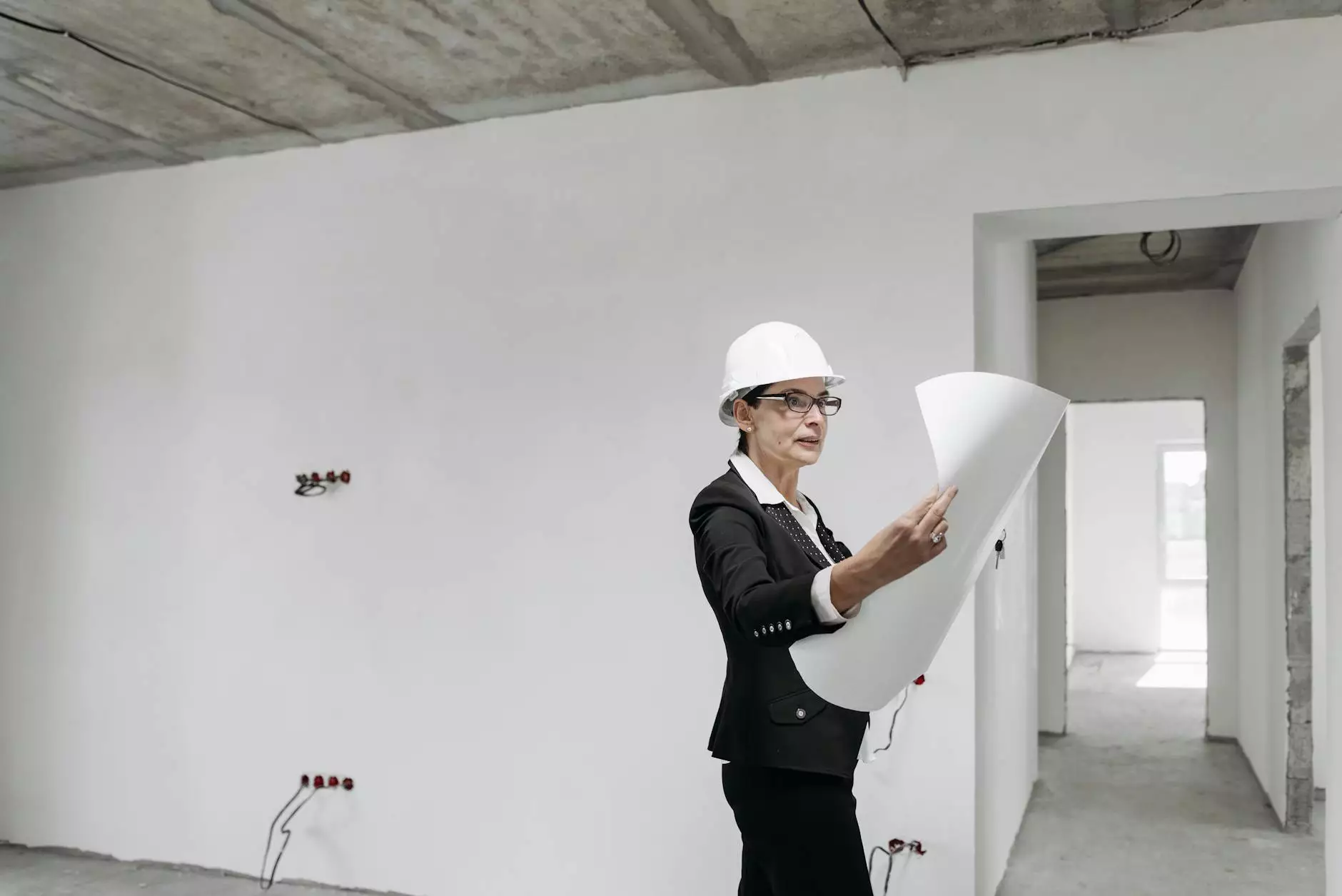
In an ever-evolving architectural landscape, the role of an architectural design consultant has become increasingly vital. These professionals are not just designers; they are visionaries who understand how art and science converge to create groundbreaking structures that are both functional and aesthetically pleasing. With a profound grasp of design principles, building codes, and sustainability, they serve as integral members of any construction project, ensuring that every aspect is meticulously planned and executed.
What Does an Architectural Design Consultant Do?
The scope of work for an architectural design consultant is broad and multifaceted. Here are the primary responsibilities:
- Concept Development: They assist clients in developing their project ideas into feasible concepts that balance creativity with technical limitations.
- Feasibility Studies: Assessing the viability of proposed projects, including cost analysis, site evaluations, and regulatory requirements.
- Design Documentation: Preparing comprehensive architectural drawings, specifications, and models to illustrate the design vision clearly.
- Project Coordination: Collaborating with other professionals, including structural engineers, interior designers, and contractors, to ensure cohesive project development.
- Sustainable Design Solutions: Integrating environmentally-friendly practices into design strategies to promote sustainability and energy efficiency.
The Importance of an Architectural Design Consultant
Engaging an architectural design consultant is crucial for various reasons:
1. Expertise in Design
With extensive training and real-world experience, architectural consultants possess the knowledge necessary to create designs that are not only visually appealing but also comply with safety regulations and industry standards. They keep abreast of the latest trends and technologies, enabling them to offer innovative solutions tailored to client needs.
2. Enhancing Client Collaboration
The process of designing a space can be overwhelming. An architectural design consultant acts as a bridge, facilitating communication between clients and various project stakeholders, ensuring that the client’s vision is accurately interpreted and implemented.
3. Cost-Effective Solutions
While it might seem like hiring a consultant adds an expense, their expertise often leads to significant cost savings in the long run. They can identify potential issues before they escalate, advise on budget-friendly materials, and optimize the design process to reduce waste and delays. This careful planning helps avoid costly mistakes that can occur during construction.
4. Innovative Problem Solving
Every construction project faces unique challenges. An architectural design consultant thrives on these challenges, drawing on their experience to develop creative solutions that ensure the project stays on track and meets its goals.
Key Qualities of an Architectural Design Consultant
To be effective, an architectural design consultant must possess certain attributes:
- Creative Vision: They should have a keen eye for aesthetics and an ability to conceptualize unique solutions that enhance the built environment.
- Technical Proficiency: Knowledge of architectural software, construction techniques, and regulations is necessary for delivering accurate designs.
- Attention to Detail: Precision is key in architectural design, and a meticulous approach helps eliminate errors that could complicate the project.
- Strong Communication Skills: Ability to convey ideas effectively and manage client expectations throughout the design process is vital.
How to Choose the Right Architectural Design Consultant
Selecting the right architectural design consultant for your project can significantly influence its outcome. Here are some tips to consider:
1. Evaluate Their Portfolio
Review the consultant's previous work to assess their style, creativity, and design capabilities. A strong portfolio should showcase a variety of projects that reflect both innovation and functionality.
2. Check References and Reviews
Don't hesitate to ask for references from past clients. Hearing about others' experiences can provide valuable insight into the consultant's reliability, professionalism, and ability to meet deadlines.
3. Assess Communication
Effective communication is essential in any design project. Choose a consultant who actively listens, understands your vision, and responds clearly to your inquiries.
4. Discuss Project Approach
Engage the consultant in a discussion about how they would approach your project, particularly in terms of design philosophy, problem-solving strategies, and collaboration with other professionals.
The Role of Technology in Architectural Design Consulting
Recent advancements in technology have revolutionized the field of architectural design. Here’s how:
1. Building Information Modeling (BIM)
BIM software allows for the creation of digital representations of physical and functional characteristics of places. This powerful tool enables consultants to visualize and analyze designs more effectively, making revisions easier and improving overall project efficiency.
2. Virtual Reality (VR)
VR technology provides clients with immersive experiences, allowing them to walk through spaces before construction begins. This not only enhances understanding but also fosters collaboration in design iterations.
3. Sustainability Simulations
Architectural design consultants utilize simulation tools to assess energy consumption, lighting, and ventilation impacts of design choices. This approach helps in crafting sustainable environments that adhere to eco-friendly principles.
4. Online Collaboration Tools
Modern projects often involve multiple stakeholders. Online platforms facilitate seamless communication, document sharing, and project management, ensuring that everyone remains on the same page throughout the project lifecycle.
Future Trends in Architectural Design Consulting
The architectural field is continuously adapting to emerging trends and societal needs. Here are some future directions for architectural design consultants:
1. Focus on Sustainability
As the world becomes more conscious of environmental issues, sustainable design will continue to be at the forefront. Architectural consultants will increasingly develop strategies that minimize carbon footprints and promote eco-friendly materials.
2. Smart Building Technology
The integration of smart technologies into architectural design will enhance building functionality and user experience. Consultants will need to stay informed about products that improve energy efficiency and offer innovative user interfaces.
3. Biophilic Design
Incorporating natural elements into architectural design not only improves aesthetics but also enhances occupant well-being. Future consultants will focus on strengthening the connection between nature and the built environment.
4. Greater Community Engagement
Understanding the needs and values of the community will inform better design solutions. Consultants will play a critical role in community involvement processes, ensuring that designs resonate with local culture and identity.
Conclusion
The role of the architectural design consultant is pivotal in shaping the future of our built environment. By blending creativity with technical expertise, these professionals help turn abstract ideas into concrete realities. Engaging the right consultant can make a profound difference in the success of your architectural projects. Whether you are embarking on a residential, commercial, or public project, the insights and skills of an architectural design consultant are essential in navigating the complexities of design and construction.
For more detailed insights and to engage with some of the best in the field, visit sthcons.com. Let us help you bring your architectural visions to life with unparalleled expertise and creative solutions.


