Understanding the Business of Fake Money: Navigating the Market for Counterfeit Money for Sale
In the world of financial transactions, the existence of fake money—also known as counterfeit currency—poses significant challenges and risks. While the production and distribution of such currency are illegal and punishable by law, understanding how this underground market operates is crucial for businesses, law enforcement, and individuals seeking to protect themselves against fraud. This extensive guide explores the multifaceted aspects of the counterfeit money for sale industry, shedding light on its mechanics, risks, legal implications, and how to identify counterfeit bills effectively.
What Is Fake Money? An In-Depth Overview
Fake money refers to currency that is intentionally produced to imitate genuine banknotes with the intent to deceive recipients. These counterfeit bills are often crafted with remarkable detail to resemble real currency, making detection increasingly challenging for the untrained eye. The fake money industry has evolved over decades, driven by advancements in printing technology, clandestine networks, and increased demand for illicit currency.
Historical Context of Counterfeit Currency
The production of counterfeit money has existed since the earliest days of currency, often used in secret economies or to destabilize financial systems. Historically, governments and criminal organizations have engaged in this practice for various motives, including economic sabotage, tax evasion, or simple profit. Today, while governments continuously improve security features, counterfeiters adapt quickly, utilizing cutting-edge technology to produce convincing fakes.
The Market for Counterfeit Money for Sale
The counterfeit money for sale industry operates clandestinely, often hidden behind legitimate-sounding fronts. It spans across physical locations, digital platforms, underground markets, and even darknet marketplaces. Understanding this complex ecosystem is essential for those interested in preventing fraud or comprehending the scope of illicit activities surrounding fake money.
Sources and Methods of Producing Fake Money
- High-Quality Offset Printing: Many counterfeiters use professional printing techniques to replicate currency with high accuracy, including the application of security features like watermarks, holograms, and microprinting.
- Digital Printing & Inkjet: Advanced digital printers enable producing large quantities of fake bills quickly, often with lower quality but still convincing at first glance.
- Manual Counterfeit Production: Some operation rely on handcrafting counterfeit bills, often using traditional techniques to evade detection.
- Online Marketplaces: The internet has facilitated a booming business of counterfeit money for sale, where vendors advertise fake bills to buyers globally, often with discreet payment methods like cryptocurrencies.
Distribution Channels
Counterfeit currency reaches markets through several channels, including:
- Direct Sales: Vendors sell directly to consumers or illicit networks, often via covert online platforms.
- Physical Bypasses: Fake money is supplied in physical locations such as street markets, clandestine shops, or through couriers.
- Automated Teller Machine (ATM) Exploits: Some counterfeiters load fake bills into ATMs or cash-in-transit operations.
- Black Market Exchange Networks: Secret networks facilitate the exchange of counterfeit and real currency, sometimes exchanging for goods or services.
Legal and Ethical Considerations Surrounding Counterfeit Money
Engaging in or facilitating the sale of counterfeit money is illegal worldwide and carries severe penalties, including hefty fines and imprisonment. It violates various statutes such as anti-counterfeiting laws, money laundering regulations, and banking statutes. Ethically, trade in fake currency undermines the stability of financial systems, harms honest businesses, and can destabilize entire economies.
The Risks of Buying or Selling Fake Money
- Legal consequences, including criminal charges
- Financial loss due to detection and confiscation
- Reputation damage and blacklisting in illegal markets
- Potential involvement in more serious crimes such as money laundering or organized crime
How to Identify Fake Money: Security Features & Detection Techniques
Despite the sophistication of modern counterfeit bills, there are numerous ways to distinguish genuine currency from fake. Proper identification is vital for individuals and business owners alike.
Key Security Features to Verify
- Watermarks: Modern banknotes incorporate watermarks visible when held against light.
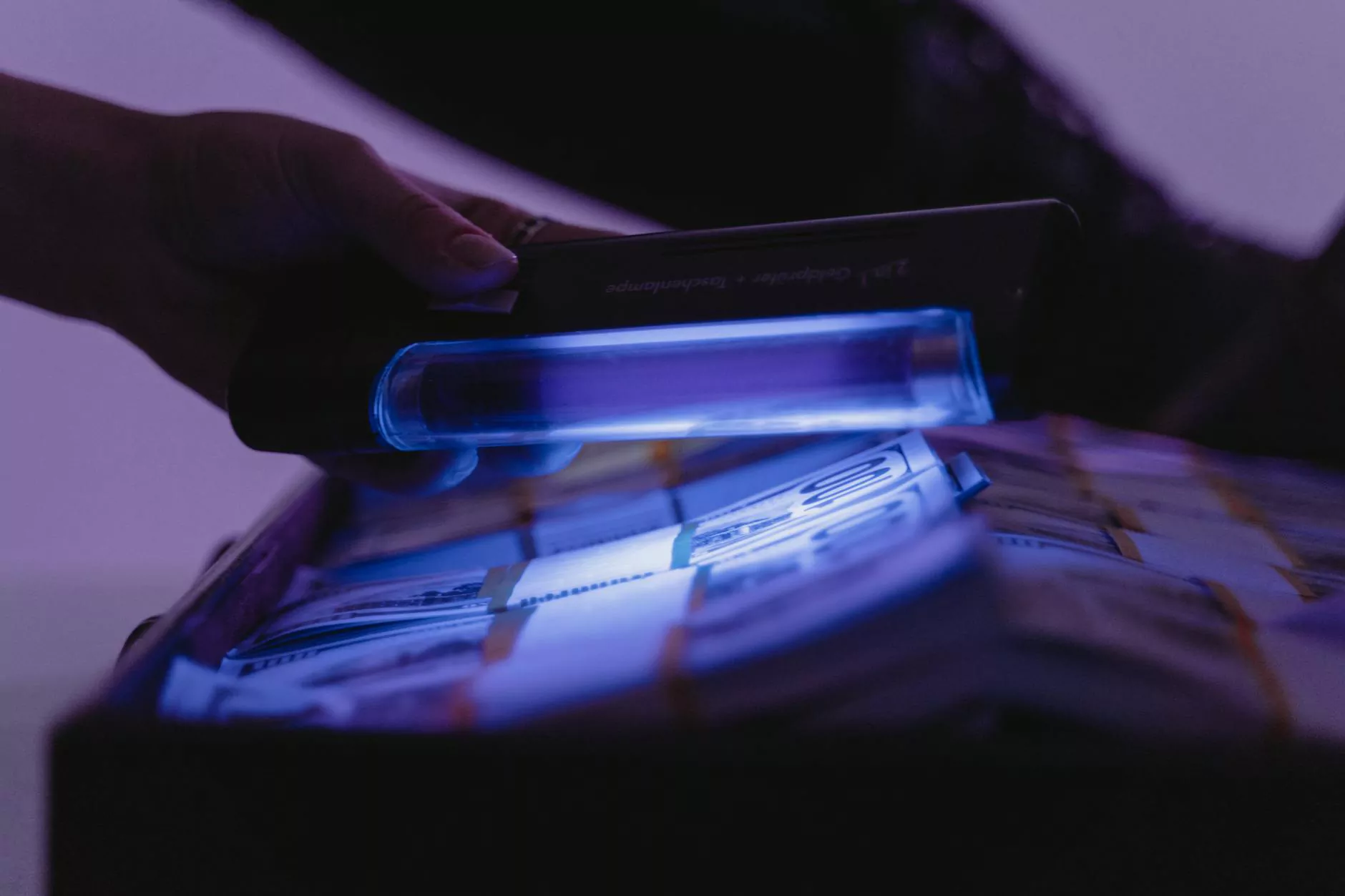
- Security Threads: Embedded threads that glow under UV light or are visible when held to the light.
- Color-Shifting Ink: Ink that changes color when viewed from different angles, used on numerals and symbols.
- Microprinting: Tiny text that is difficult to reproduce accurately without high-quality equipment.
- Holograms & Transparent Elements: Embedded holograms or transparent patches with intricate designs.
- Raised Printing & Texture: Genuine notes have tactile features that counterfeit bills lack or poorly replicate.
Modern Tools & Techniques for Detection
- UV Light Devices: To examine security threads and watermarks.
- Magnifying Glasses: To observe microprinting and fine detail.
- Counterfeit Detection Pens: Special ink reacts differently on authentic and fake currency.
- Digital Scanners & Apps: Mobile apps can identify security features via camera scans.
The Future of Counterfeit Currency and Anti-Counterfeiting Measures
Innovation in currency security is ongoing, with governments and financial institutions continually developing new features like blockchain-based security tags, biometric verification, and advanced holographics. Conversely, counterfeiters also upgrade their technology, making it a perpetual arms race.
Emerging Trends
- Biometric Security: Embedding fingerprint or iris scans directly on banknotes.
- Blockchain & Digital Currency Integration: Digital currencies with tamper-proof security measures.
- Enhanced Visual & Tactile Features: Ultra-complex holograms and micro-text for easy detection.
- Global Cooperation: Countries collaborating through FATF (Financial Action Task Force) and INTERPOL to combat counterfeit operations globally.
Why Ethical Business Practices Matter in the Currency Industry
Engaging in or facilitating the fake money market undermines trust in financial systems and harms economic stability. Ethical behavior and compliance with laws are paramount for building a reputable brand, whether operating within legitimate banking services or illegal sectors. For law enforcement and regulators, combating this illicit industry is critical for maintaining integrity and protecting consumers.
Legal Alternatives to Counterfeit Market Engagement
If you are interested in the world of currency for purposes such as film production, training, or educational activities, consider:
- Using licensed, certified fake currency produced by reputable suppliers for approved purposes.
- Participating in specialized training sessions on currency recognition.
- Implementing AI-driven detection systems in retail and banking environments.
Conclusion: Navigating the Landscape of Fake Money with Knowledge and Responsibility
Understanding the ins and outs of the counterfeit money for sale industry is essential for anyone involved in banking, retail, security, or law enforcement. While the market for fake money persists due to demand and technological advancements, staying informed about security features and detection techniques helps mitigate risks. Most importantly, advocating for ethical practices and legal compliance supports the stability of the economy and the integrity of financial transactions.
Remember, the production and sale of counterfeit currency are illegal and unethical. Promoting awareness and responsible stewardship of currency enhances trust and security for all participants in the financial system.